IHHT
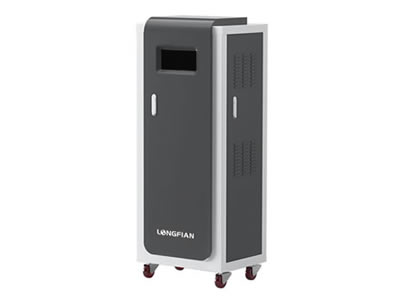
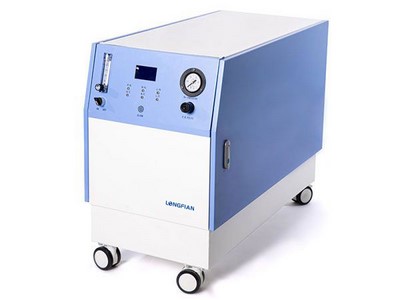
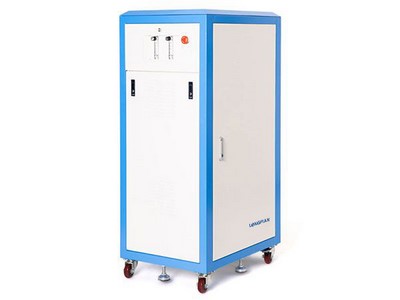
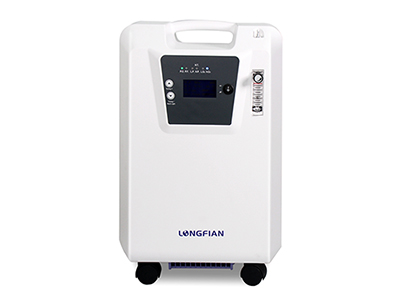
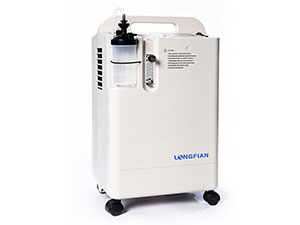
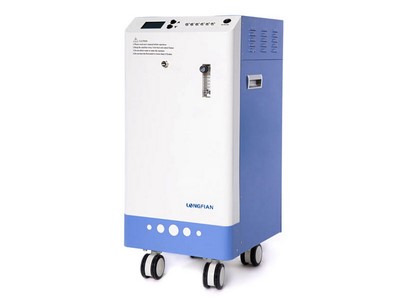
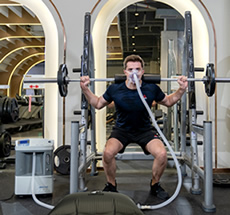
IHHT (Intermittent Hypoxic Hyperoxic Training) is a non-invasive and safe therapy. It can be applied with multiple devices to transform an entire room or training area into a low-oxygen environment, or used independently with a single device and an oxygen mask. The therapy alternates between inhaling hypoxic (low-oxygen) and hyperoxic (high-oxygen) air at set intervals, simulating the effects of altitude training and delivering remarkable health benefits without the strain of intense physical exertion.
| High Oxygen Flow Rate | 0-10L/min |
| High Oxygen Concentration | 80%-90% |
| Oxygen Pressure | 0.04-0.07Mpa |
| Air Pressure | ≤0.14Mpa |
| Operating Voltage | AC230V 50Hz |
| Power | 600W |
| Dimension | 525*408*1233mm |
| Low Oxygen Flow Rate | Level 1 50L/min; Level 3 100L/min |
| Low Oxygen Concentration | Leve 1 9%±1%; Leve 3 15%±1% |
- Features
- 10.1-inch Color LCD Display: Provides an intuitive, user-friendly interface.
- Comprehensive Monitoring: Tracks oxygen concentration of hypoxic output, simulated altitude, temperature, humidity, as well as the user’s blood oxygen and heart rate.
- High-Precision Data: Blood oxygen monitoring accurate to 0.1%.
- Built-in Buffer System: Eliminates airflow pulse interference, ensuring a continuous and stable air supply for enhanced training comfort.
- Medical-Grade Oxygen Mask: Made of high-saturation silicone with a one-way valve design, improving oxygen intake accuracy and minimizing diffusion errors.
- Dual Oxygen Modes: Easily switch between high- and low-oxygen training modes to meet different training needs.
- Mobility & Stability: Fitted with silent casters and a locking mechanism for effortless movement and secure positioning.
- Applications
- Rehabilitation (cardiovascular, pulmonary, spinal cord injuries)
- Dementia and Alzheimer’s disease
- Metabolic disorders (diabetes mellitus, prediabetes, obesity)
- Sports medicine
- General health support
- Preventive and anti-aging medicine
- Sports and fitness
- Wellness and wellbeing
- Burnout and fatigue recovery
- Sleep disorders
Inquiry