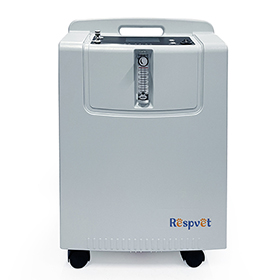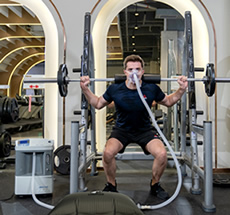
Veterinary Oxygen Concentrator
Pet oxygen therapy provides supplemental oxygen to animals that are not getting enough oxygen because of illness, injury, anesthesia, or respiratory distress. Depending on the animal’s condition and tolerance, oxygen may be delivered through an oxygen cage, mask, or flow-by system under veterinary guidance.
Choose a veterinary oxygen concentrator based on how oxygen will be used and which equipment it needs to support. Veterinary hospitals may require oxygen for ICU or oxygen cages, anesthesia machines, ventilators, etc. Key factors to consider include flow rate, oxygen concentration, outlet pressure, simultaneous oxygen demand, continuous-duty capability, and alarm functions. A backup oxygen cylinder should also be available for emergencies or power outages.
Pets with respiratory distress, pneumonia, heart or lung disease, trauma, post-operative complications, or low blood oxygen levels may require oxygen therapy. Signs such as severe difficulty breathing, pale or blue gums, collapse, or loss of consciousness require immediate veterinary attention.
An oxygen concentrator produces oxygen from room air, providing a continuous oxygen supply without the need for frequent cylinder refills. Oxygen concentrators designed for continuous operation can also support prolonged or 24-hour oxygen use. Compared with oxygen cylinders, concentrators can reduce ongoing refill, rental, delivery, and storage costs, making them a practical option for veterinary clinics and pet-care facilities with regular oxygen demand.
A home pet oxygen concentrator typically supports one animal and a relatively simple oxygen-delivery setup. A veterinary hospital, however, may need to supply oxygen to multiple pieces of equipment and treatment stations.
When choosing a system for a veterinary hospital, consider the number of oxygen cages, anesthesia machines, ventilators, and treatment stations that may operate at the same time. Then match the required flow rate, outlet pressure, oxygen concentration, and continuous-duty capacity to that workload.
Veterinary oxygen concentrators can be used for cats, dogs, rabbits, and other companion animals that require supplemental oxygen. For example, Longfian B-1 concentrator provides 1–7 L/min continuous flow and can be used with oxygen cages, masks, and other compatible veterinary setups for post-operative care, respiratory support, home treatment, transport, and high-altitude travel.
Yes. Longfian B-1 oxygen concentrator is designed for long-duration continuous oxygen delivery under specified operating conditions. Its continuous-flow system can support prolonged use with an oxygen cage when an animal requires extended oxygen therapy. For all-day or overnight treatment, the oxygen flow rate and oxygen concentration inside the cage should be set according to veterinary guidance and the animal’s condition.
It can. Cats, dogs, rabbits, and other animals that are sensitive to unfamiliar sounds may become nervous or stressed by equipment noise, so operating noise is an important consideration when choosing a veterinary oxygen concentrator.Longfian B-1 veterinary oxygen concentrator features a low-noise design suitable for pet oxygen cages and home-care environments. During operation, the concentrator can be positioned at an appropriate distance from the animal while maintaining proper ventilation and secure tubing connections to help reduce the impact of operating noise.
A 5L veterinary oxygen concentrator typically provides adjustable continuous-flow oxygen and can be connected to oxygen cages, masks, and compatible veterinary equipment. The Longfian VET-5KW concentrator provides an adjustable continuous flow of 0.5–5 L/min at an oxygen concentration of 93% ±3%, with stable outlet pressure. It can support oxygen-cage therapy, post-operative recovery, respiratory support, and compatible veterinary anesthesia machines for small and medium-sized pets.
Yes. Longfian VET-5KW can be used as an oxygen source for a compatible veterinary anesthesia machine. Before connecting the equipment, make sure the concentrator’s flow rate, outlet pressure, and connection method match the specifications of the anesthesia system being used.
A veterinary oxygen concentrator should typically include alarms for power failure, abnormal pressure, and low oxygen concentration so that staff can quickly identify interruptions or equipment problems.
The Longfian VET-10 oxygen concentrator is equipped with power-failure, high/low-pressure, and low-oxygen-concentration alarms. These alerts help staff identify abnormal operating conditions during veterinary oxygen therapy in animal hospitals, post-operative recovery areas, and other clinical settings.